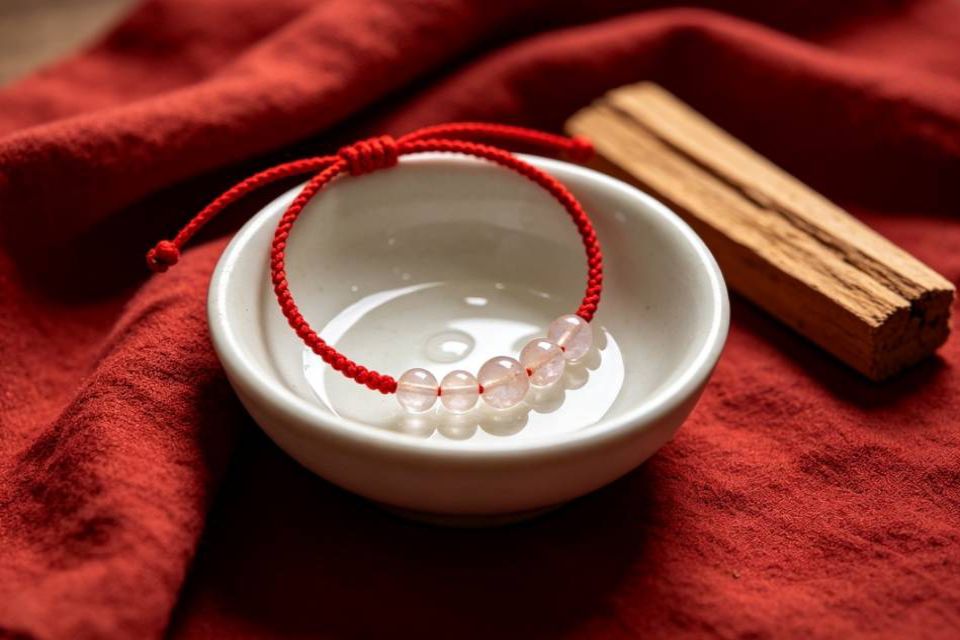
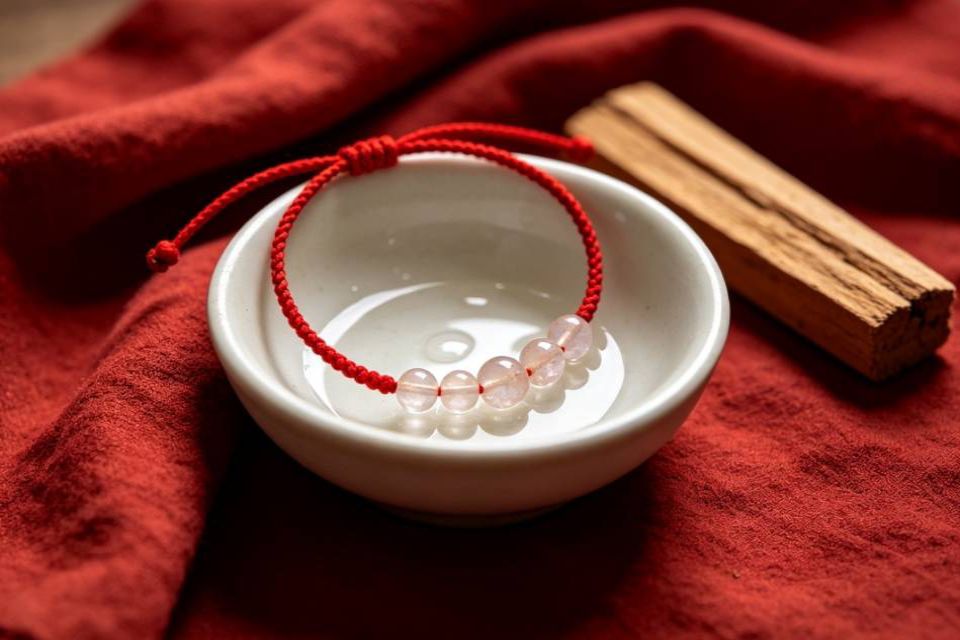
The red string wristband is far more than a simple fashion accessory; it is a profound talisman woven into the fabric of human history. Spanning across continents and millennia, this crimson cord has served as a tangible link to faith, destiny, and protection. Whether you have spotted it on a Hollywood celebrity, a spiritual seeker, or a newborn baby, the red string carries a universal weight. But what exactly does it symbolize, and how should it be worn to honor its ancient roots?
The Ancient Roots of the Red String Bracelet
The modern popularity of the red string bracelet is built upon a rich foundation of ancient beliefs. Archaeologists have found evidence of red bands dating back to 3000 BCE, with ancient Egyptians and Greeks utilizing red threads as protective amulets against evil spirits. As cultures interacted through trade and travel, the tradition evolved, with each society adding its own unique spiritual narrative to the humble scarlet thread.
Kabbalah and the Shield Against the Evil Eye Perhaps the most widely recognized origin in the West comes from Jewish mysticism, or Kabbalah. In this tradition, the red string acts as a powerful shield against the ayin hara, commonly known as the evil eye. The practice is deeply connected to the biblical matriarch Rachel, who is revered for her immense compassion and protective maternal energy. According to tradition, a red wool string is wrapped seven times around Rachel’s tomb in Bethlehem to absorb her spiritual energy before being cut into bracelets.
To maximize its protective qualities, the Kabbalah red string must be worn on the left wrist. Kabbalistic teachings hold that the left side of the body is the “receiving” side, closest to the heart. Wearing the bracelet here intercepts negative energy before it can enter the soul. Furthermore, the string is traditionally tied with seven knots, with a sacred prayer recited at each knot to seal the spiritual intention.
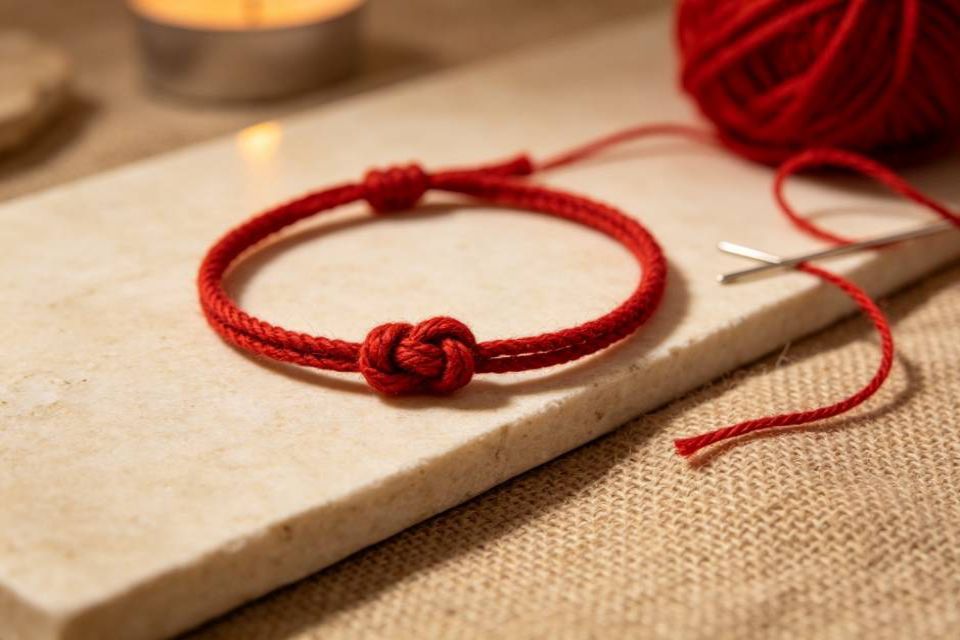
The Red Thread of Fate in Eastern Folklore While Kabbalah focuses on protection, East Asian folklore views the red bracelet as a symbol of inescapable destiny. In Chinese and Japanese legends, the “Red Thread of Fate” is an invisible cord tied by the gods around the ankles or pinky fingers of those destined to meet. This thread can stretch or tangle, but it will never break. In this context, wearing a red string bracelet is a beautiful acknowledgment of soulmates, destined friendships, and unbreakable bonds of love.
Buddhist and Hindu Traditions of Blessings In Buddhism, Tibetan monks bless red cords during sacred rituals, filling them with spiritual energy. These blessed strings are often tied around a student’s wrist to mark the completion of a spiritual retreat or to serve as a daily reminder of their vows. Similarly, in Hinduism, priests tie a red string known as Kalava or Mauli on the wrists of devotees during ceremonies. This sacred thread serves as a conduit for divine blessings, offering protection and spiritual guidance.
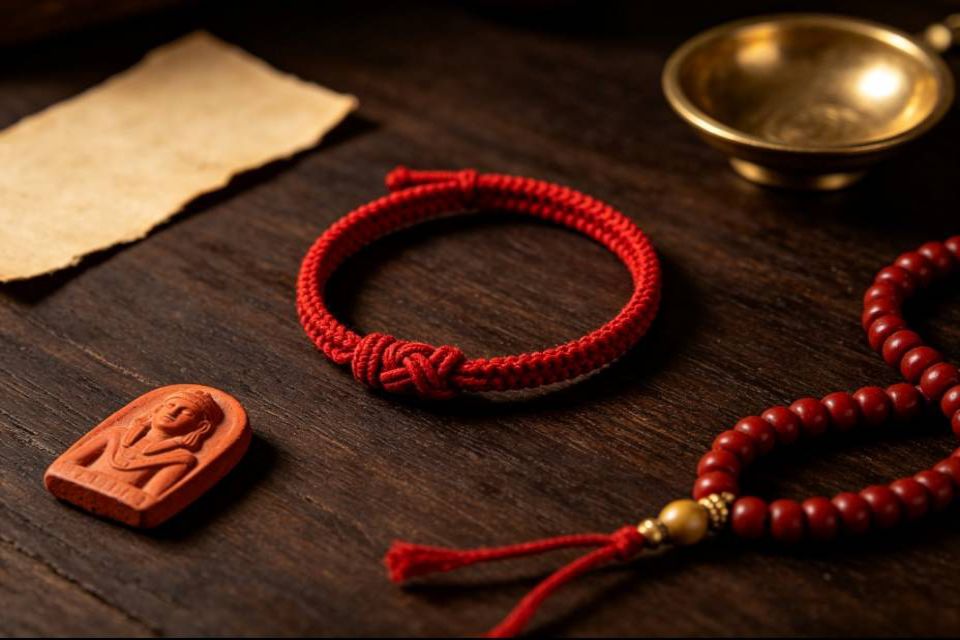
Core Symbolism: Protection, Luck, and Connection
Despite the diverse origins, the red string bracelet universally embodies three core themes. First and foremost, it is a symbol of protection. The vibrant red color represents strength, courage, and vitality, acting as a spiritual guardian against unseen malevolent forces.
Secondly, it is an emblem of good luck and fortune. The color red is inherently associated with prosperity and positive energy in many cultures. Wearing the bracelet is believed to attract favorable circumstances and enhance personal motivation.
Finally, the red string signifies connection and love. Whether representing the destined bond between soulmates or the supportive ties of family and friends, the bracelet serves as a constant, mindful reminder of the people who anchor us in this chaotic world.
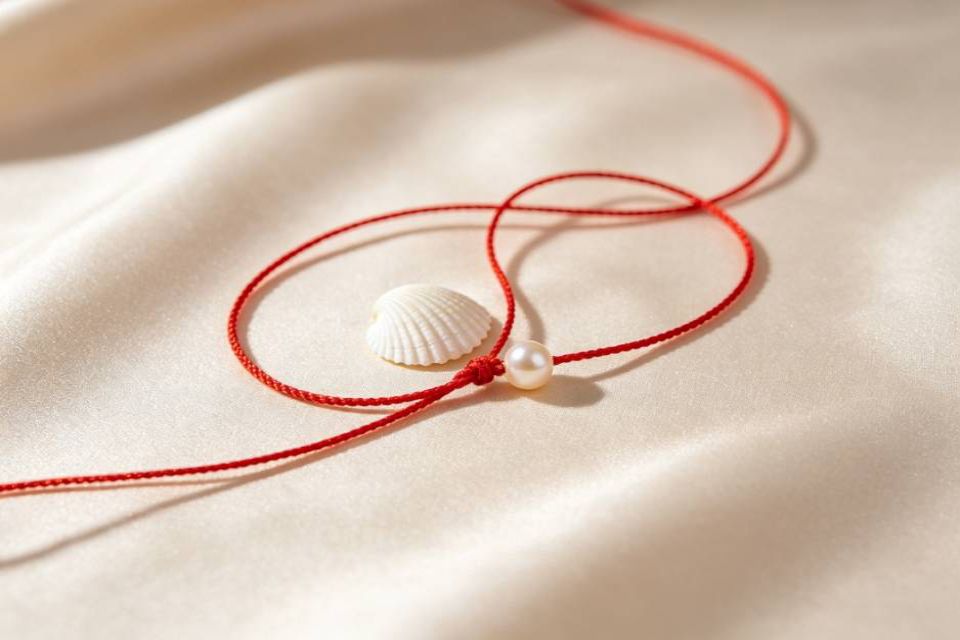
How to Wear a Red String Bracelet Properly
To fully honor the spiritual significance of the red string, it is important to wear it with intention. If you are wearing it for Kabbalistic protection against the evil eye, always tie it on your left wrist. Traditionally, the bracelet should never be intentionally removed; it is meant to be worn continuously until it naturally frays and falls off, signifying that it has absorbed all the negative energy it can hold.
If you are wearing the bracelet to honor the Eastern concept of the Red Thread of Fate, it can be worn on either wrist as a personal reminder of your destined connections. For those drawn to Buddhist or Hindu traditions, wearing the blessed string on the left wrist is also customary, as it keeps the spiritual reminder close to the heart.
Ultimately, the red string wristband is a versatile and deeply personal talisman. Whether you are seeking a shield against negativity, hoping to attract good fortune, or celebrating an unbreakable bond, this simple crimson thread offers a profound connection to ancient wisdom.
TDK (Title, Description, Keywords)
Title: Red String Wristband: History, Cultural Symbolism & How to Wear
Description: Discover the deep history and spiritual meaning of the red string wristband. Explore its Kabbalah origins, Eastern folklore, and learn the proper way to wear this ancient talisman for protection and luck.
Keywords: red string wristband, red string bracelet meaning, Kabbalah red string, evil eye protection, red thread of fate, spiritual jewelry, how to wear red string bracelet